
 Written by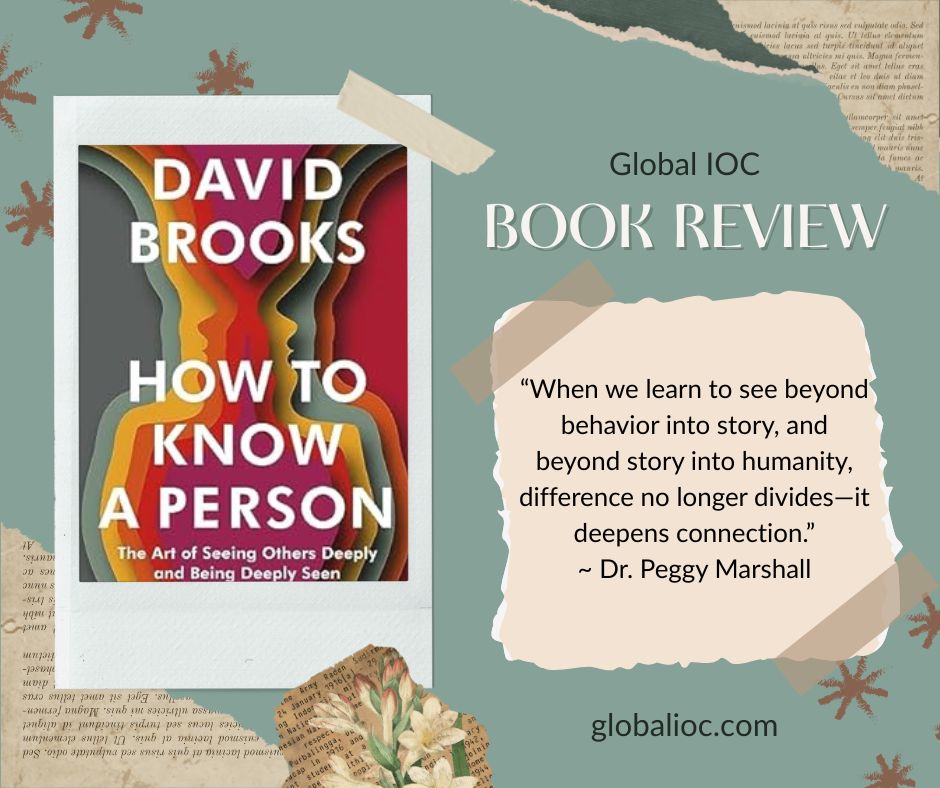
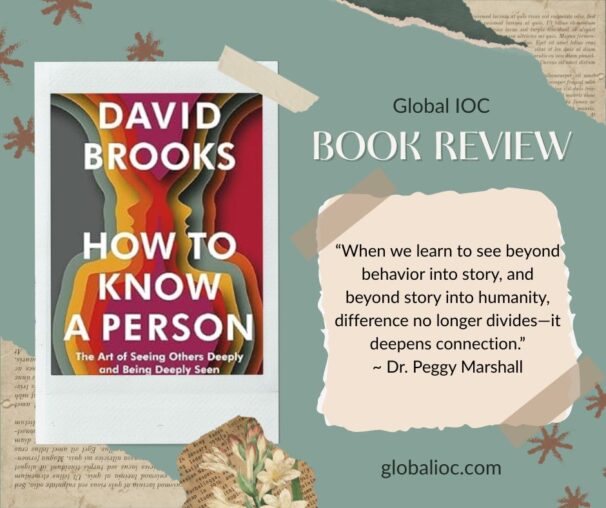
In How to Know a Person, David Brooks invites us into one of the most essential relational practices: the art of seeing others deeply and being seen in return. He argues that amid social fragmentation, polarization, and loneliness, the skill of genuine interpersonal connection is exactly what’s missing in our personal, professional, and civic lives. His overarching claim, as noted by Kirkus Reviews, is this:
“There is one skill that lies at the heart of any healthy person, family, school, community organization, or society: the ability to see someone else deeply and make them feel seen—to accurately know another person, to let them feel valued, heard, and understood.”
Brooks structures the book around three parts:
- “I See You” – the basic mechanics of noticing, attention, and presence. (Friends Journal)
- “I See You in Your Struggles” – how seeing plays out in suffering, difference, vulnerability, and culture. (Friends Journal)
- “I See You with Your Strengths” – how seeing someone deeply involves recognizing their potential, their story, and their identity. (Friends Journal)
Along the way, Brooks introduces evocative categories such as “Illuminators” versus “Diminishers,” showing how some people bring out the best in others through the quality of their attention and presence, while others unintentionally shrink those around them through neglect, ignorance, or haste.
While How to Know a Person offers a meaningful framework for how to see others deeply, the book isn’t without its limits. The examples often draw from a fairly narrow, educated milieu, which can make the message feel less universal. The middle chapters also lose some of the clarity and momentum of the opening, veering into loosely connected stories rather than a cohesive argument. Still, the heart of his message—that to know others we must first learn how to see—remains both relevant and resonant, particularly for coaches and leaders seeking to build relational depth and psychological safety.
Key Insights for Coaches and Leaders
Attention matters: If one thing emerged from my reading as a coach and practitioner, it’s this: the nervous system settles when someone feels seen. Brooks’ language supports this truth—seeing isn’t just kind, it’s regulatory.
Beyond technique: Brooks pushes us away from “tips for conversation” toward habits of presence. His distinction between an Illuminator (someone who brings others to life) and a Diminisher (someone who unwittingly shrinks them) aligns beautifully with drama-work: where do we activate connection, and where do we reactivate distance?
Story + identity: Brooks emphasizes that each person “is a point of view. For coaching across difference, this ties directly to meaning-making: to coach another is to step into their lived narrative, not just their immediate behavior.
Universal but personal: Brooks reminds us that this isn’t just about others—it’s also about how we live. He confesses his own journey from being “in my head” to learning to be emotionally available. For leaders, the invitation is clear: reflect on your inner relational stance as much as your outer strategy.
The relational economy: In teams, workplaces, and communities, Brooks’ themes map onto psychological safety, emotional regulation, and meaningful engagement. When people feel seen—especially across difference—they are more likely to engage, innovate, and collaborate.
Closing Reflection
Brooks reminds us that truly knowing another person is both a moral act and a relational discipline. It asks more of us than empathy—it asks presence, humility, and a willingness to let another’s experience expand our own. In coaching and leadership, this becomes the quiet work beneath every conversation: seeing not to fix, but to understand; listening not to respond, but to reveal meaning.
When we learn to see beyond behavior into story, and beyond story into humanity, difference no longer divides—it deepens connection. Brooks’ work reinforces what many of us have discovered through practice: that awareness is the beginning of transformation, and that to help others grow, we must first learn how to see.