
 Written by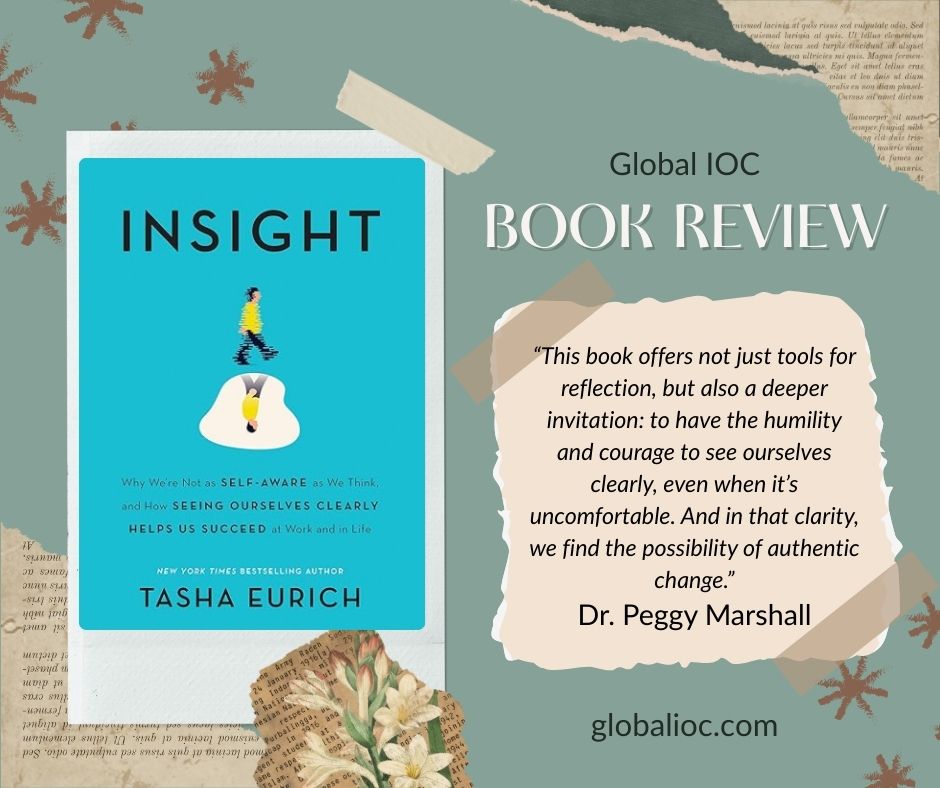
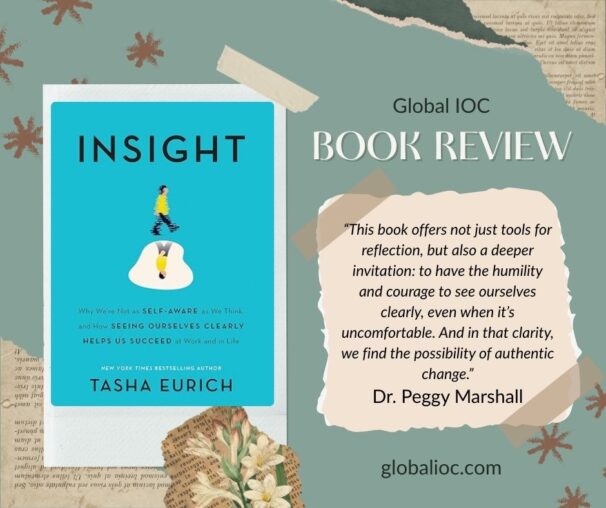
Every so often, a book arrives that causes me to pause—not because it dazzles with new jargon, but because it clarifies something we all feel yet rarely name. Tasha Eurich’s Insight is one of those books.
Her research shines a spotlight on self-awareness: the foundation of leadership, growth, and impact. She reveals the surprising truth that while 95% of us believe we are self-aware, only 10–15% actually are. That gap explains so much of the exasperation we feel when working with leaders who cannot see their own blind spots. But Insight doesn’t leave us stuck in frustration—it shows us pathways forward.
What I appreciate most is Eurich’s balance of rigor and accessibility. She grounds her insights in data and case studies, yet the stories feel close to home. She reminds us that self-awareness has two dimensions: the internal mirror of knowing ourselves and the external mirror of understanding how others experience us. Too often, we lean toward one and neglect the other. Eurich helps us see why both matter.
My Three Takeaways
- Self-awareness is rarer than we think.
I knew self-awareness was important, but I hadn’t fully grasped just how scarce it truly is. Eurich’s research shows that the majority of us think we see ourselves clearly, yet only a small percentage actually do. For leaders, this gap is costly. It explains the disconnect we’ve all witnessed—the executive who insists they’re a “great communicator” while their team quietly disengages, or the manager who believes they’re empowering but is experienced as controlling. This takeaway alone makes the book worth buying, because it challenges our assumptions and demands we ask: Am I as self-aware as I think I am? - Insight without action is incomplete.
Eurich makes it clear that reflection, while valuable, is only part of the journey. True self-awareness requires translation into behavior. I was struck by how often leaders confuse awareness with transformation, as if naming a pattern is enough to change it. Eurich reminds us that the real work begins after the insight—when we practice new choices, build new habits, and embody new ways of showing up. For me, this validated much of what I teach: that insight is the spark, but embodiment is the flame that sustains impact. - Feedback is a gift, not a threat.
Of all the book’s messages, this one may be the hardest—and the most transformative. External self-awareness requires us to welcome feedback, not as criticism to defend against but as fuel for growth. Eurich illustrates how even well-meaning leaders can remain blind without the courage to hear how they affect others. What I loved here is her honesty: feedback is uncomfortable, but without it, we can’t grow. This reminder alone is worth underlining: we cannot cultivate true self-awareness in isolation. As pause here, make sure the people you ask for feedback can give you information to help you grow. As Marshall Goldsmith says, the word should be “feedforward” focusing on future opportunities for growth.
For leaders, this book is not optional reading—it’s essential. It offers not just tools for reflection, but also a deeper invitation: to have the humility and courage to see ourselves clearly, even when it’s uncomfortable. And in that clarity, we find the possibility of authentic change.
As I prepare to launch From Selfie to Self-Aware, I find myself deeply grateful for Eurich’s work. Her research strengthens what I have long believed: insight is the beginning, but embodiment is what sustains.
My recommendation: buy this book. Read it slowly. Let it challenge you. Let it hold up a mirror. And then ask not only, What do I see? but Who am I becoming?